

From a commercial perspective, this is completely illogical. It implies that my personal preference is by definition the best choice for the other person. And we see this happening often in the market: salespeople trying to push something through based on a strong product preference.
Often viewed from the perspective of the product, their revenue or margin, and associated incentives such as bonuses or commissions. The complexity of deviating from the standard, convenience, or a lack of skills are also common.
The result of this method is that unnecessary discounts are given, unnecessary quotes are written and deals are often not closed.
I sometimes compare this sales process to a visit to a restaurant. Sorry if that is a sensitive topic for you in these times, but it makes it so much clearer. Suppose you work in a pizzeria.
Customers come in, you guide them to what you consider a beautiful table and you talk at length about the wines that you have flown in especially from Puglia and without asking a question you open a bottle and fill the glasses.
A little later you show them the menu and immediately point out the antipasto platter, the pizza diavolo (with extra spice) and the homemade tiramisu.
You even say: “I always order this myself!” Then your customers walk away, refuse to pay for the wine, and write a review stating that they never want to come to this restaurant again.
You are reading this with surprise; your advice was good, wasn't it!? You always thoroughly enjoy this three-course meal yourself.
An absurd story? Certainly, and yet all too often the daily reality. After all, how often does a salesperson get no further than one closed question, an assumption, and their own opinion? Only to then make an offer based on nothing. No wonder many potential customers back out then.
They usually do this by raising all kinds of objections, rarely about the price. Or by politely brushing you off, “Just put something in writing, and I’ll get back to you.” Sound familiar?
Funnily enough, there are certainly customers to be found who do think it's great. And based on that occasional sense of success, this working method is maintained.
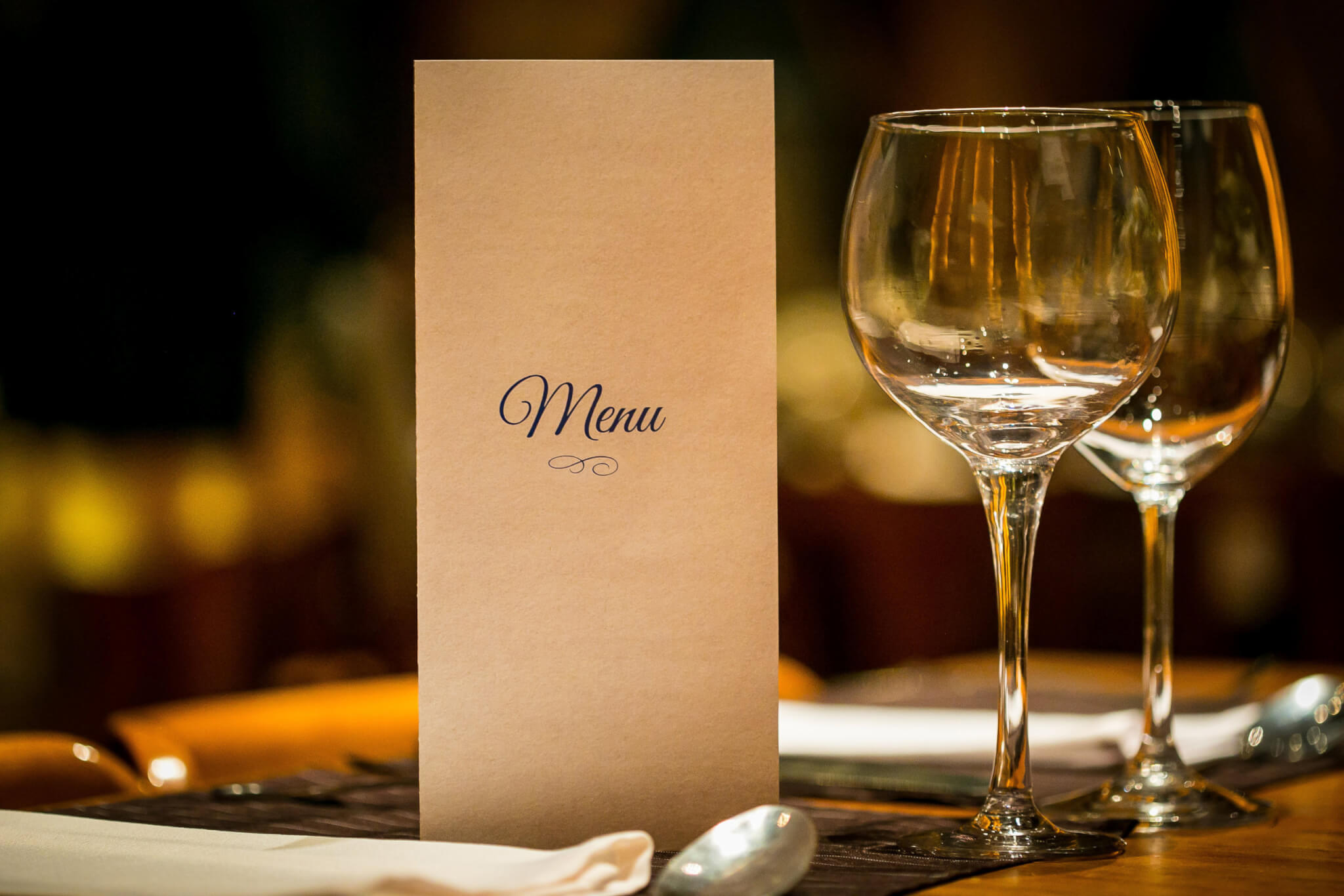
We also call this style hardselling: product sales based on USPs; the customer is not exactly the focus, often despite the best intentions. Many salespeople walk in with their 'menu' in hand, only to then briefly promote the special offer (the menu of the day).
Gauging needs is often completely overlooked (“What” would you like to drink?
). Let alone that they have formed an idea of the 'goal'. (“I am hungry and want to grab a quick pizza” versus “I want to have a nice evening”.
But how do you give every (pizzeria) customer the evening of their lives? In other words, how do you serve all your customers optimally and tailor-made? There are two sides to this:
- The business side, what is your company's position in this? In other words, what is the mission, which vision do you have the relevant context for you and which one? strategy do you follow to achieve your goals? Are you going to get the highest possible bill or do you want to give someone an unforgettable evening? Or are other things needed at this time?
In order for employees to excel, these matters must be clear. - The personal side starts with you
Who are you as a person? Things like energy, service, enthusiasm, how positive you are, and so on. Business: how do you select employees? Then you come knowledge + skills offer.
For someone in the pizzeria: knowledge of wines, foods and the right combinations. Being able to serve and clear away, having an overview, etc. Commercial: to what extent do you train employees on this?
Fundamental attitude, knowledge and skills together lead to a certain fear behavior. Business-wise: how do you manage employee behavior based on point one?
The combination of mission, vision, strategy and the collective behavior of the people in the company together form the culture. That is why it does not work to change the behavior of your people solely on the basis of a new strategy.
Peter Drucker already said: “Culture eats strategy for breakfast”. Do you want to change a culture from hard selling in your company to more consultative selling? For example, because your margins are under pressure, do not train your salespeople to ask questions, that comes later.
Start by working on your mission, vision, and strategy. Involve your employees in that process. Adapt your business operations accordingly as well. Allow time to adjust, to make mistakes, and to experiment; ensure a sense of achievement and celebrate it exuberantly!
In that change process, training your people is of course smart. Do ensure that you keep an eye on everyone, and don't forget yourself in the process. After all, change is something you do together.
You also saw above that you always have a responsibility in terms of basic attitude, knowledge, skills and behavior. So it really starts with you! “An investment in knowledge/skills pays off with the highest interest” said Benjamin Franklin.
You may wonder what the benefits of such a change are. If you as an organization are able to connect to your customer's vision and goals, you can work together as partners on a transformational level. The transaction is then subordinate.
When I go to a restaurant and they are able to fulfill my goal in a positive way—for example, a fantastic evening—then the price or that one glass that fell over doesn't matter anymore. They helped achieve my objective. And then I am happy to come back next time.
In fact, I am going to recommend everyone around me go to that restaurant as well. That way, you will earn back your investment many times over!
I started this blog with the Golden Rule and its commercial mismatch. I would therefore like to conclude with a more fitting rule: George Bernard Shaw's 'Platinum Rule'.
He wrote: “Do not do for others what you want them to do for you. They might well have a different taste.”
Want to know more about consultative selling and how you can achieve a better customer experience with it?
Let me know and I will be happy to invite you for a (virtual) cup of coffee.